

by Dr. Vibhor Kumar
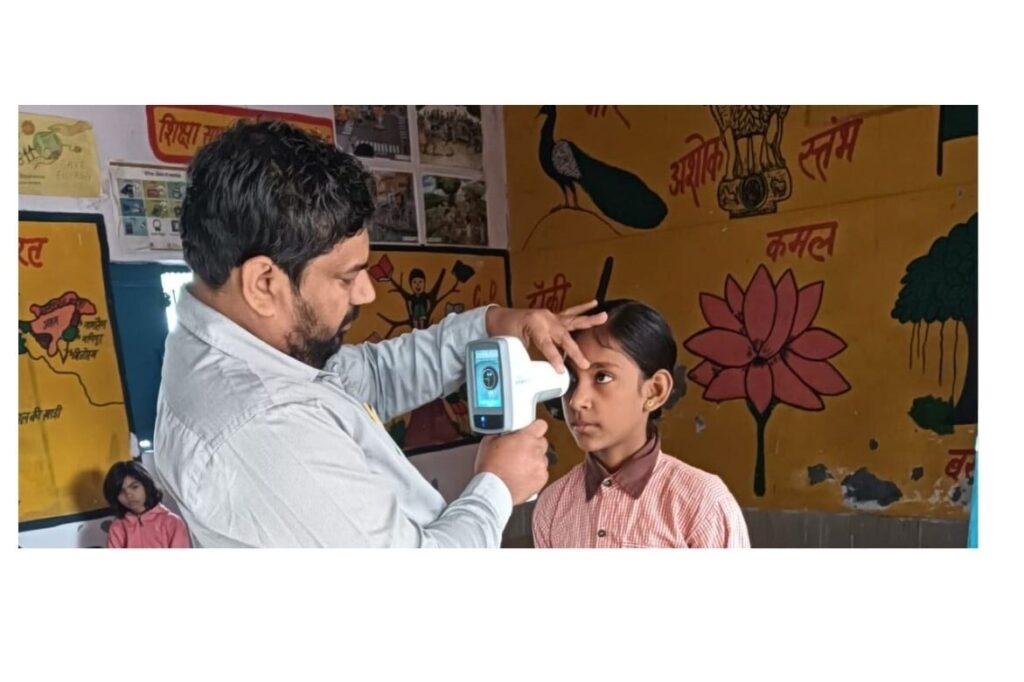
Small and transitioning towns are becoming urban faster than their health services can keep up, which makes them a growing blind spot in urban health planning. Sunetram’s experience in Uttar Pradesh shows that the real constraint isn’t screening but the last mile: confirmation, referral and treatment have to be in place before identified needs can be met. Integrating new tools into existing government programmes and workforces, rather than building parallel systems, is what makes them sustainable. Technology works best when it strengthens what public health teams can do on their own, so its value lasts well beyond the pilot.
About the Author

Dr. Vibhor Kumar
Specialist: Public Health
A clinician and public health expert with over 19 years in healthcare, He has contributed to organizations like Piramal Swasthya, Population Services International, National Health Mission and ministries and government departments. His expertise spans hospital and healthcare management, quality assurance, project management, and client relations. A Lean Six Sigma Black Belt, he has received the prestigious “D.L. Shah National Award for Quality” from the Quality Council of India, along with multiple accolades from state governments and renowned institutions.


 Samyak, Collective Good Foundation, 2 Jagdamba House, Peru Baug, Goregaon (E), Mumbai 400 063, Maharashtra.


